There’s a conversation happening quietly across the internet right now, and it’s not about dream homes or HGTV renovations. It’s about survival.
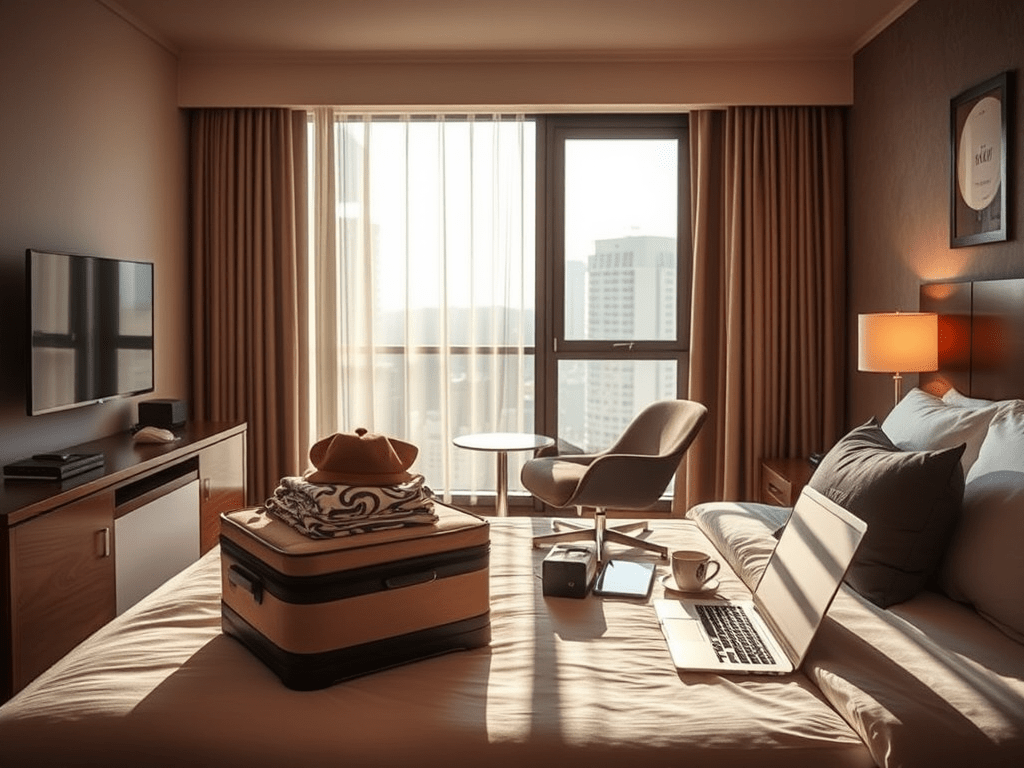
Lately, I’ve been watching videos where people explain how they are living in hotels instead of apartments. Some rotate hotels every 28 days to avoid residency laws. Others stay in extended-stay suites because it is actually cheaper than rent in places like California and Florida. Think about that for a moment. Cheaper than rent.
For those of us who have lived through a few economic cycles, the situation feels surreal. I remember years ago hearing about housing prices in Canada and thinking they were completely unsustainable. Homes that ordinary families could never afford. At the time, it felt like a distant problem. Increasingly, it feels like the United States is heading in the same direction.
During the pandemic housing boom, bidding wars became normal. Buyers paid tens of thousands above the asking price just to secure a home. Then inflation surged, and interest rates followed. The era of the 3–4 percent mortgage rate disappeared almost overnight.
My husband and I are incredibly thankful to be locked into a 4 percent mortgage, and we have absolutely no intention of refinancing. We bought our house for $60,000. Today, our home is valued at around $125,000, and Zillow estimates possibly $145,000 if we sold. Yet we’re not going anywhere. We live in a good neighborhood, there’s no HOA, and as Gen Xers thinking about retirement, it makes no sense to start over financially when we’re on track to have our home paid off.
Even homeowners, however, are feeling the pressure. When our county reassessed property values, our property taxes jumped 56 percent. That kind of increase can quietly push people out of homes they already own. Across the country, people are facing rising HOA fees, rising taxes, and rising insurance costs.
Others are improvising. Some are converting sheds into tiny homes. Others are living in RVs until RV park fees increase. Trailer parks, once considered affordable, are being purchased by corporations that raise lot rents for residents who were already struggling.
Meanwhile, billionaire investment funds continue purchasing residential housing, turning starter homes into rental assets. The working class feels it the most, and many are sharing their stories online about juggling multiple jobs, moving farther away from their communities, or trying to piece together housing solutions that simply did not exist a generation ago.
For years, many realtors reassured buyers that interest rates would eventually return to pre-pandemic levels. Increasingly, some are admitting that those rates may not return anytime soon.
That realization is forcing people to rethink what housing looks like in the future.
One of the most interesting perspectives I’ve seen recently came from Audrey at Organized Chaos. After her family lost their home in a fire and had to rebuild, they intentionally designed the new house with the future in mind. Instead of assuming their children would eventually move out and live on their own, they created a home that could serve as a landing place for their kids as adults.
Not as freeloaders. As family.
That shift in perspective matters. For decades, American culture has framed adult children living at home as failure or mooching. But historically, multigenerational living was normal. Families shared resources, supported one another, and weathered economic storms together.
As housing costs rise and economic uncertainty continues, we may see that model return. Homes designed for extended family. Parents guiding adult children through early adulthood. Adult children helping aging parents. Shared expenses, shared responsibility, shared life.
Communal living may also see a resurgence. Friends or like-minded families create supportive communities where resources are shared, and people are not facing the pressures of modern life alone.
Maybe the future of housing isn’t just about bigger mortgages or smaller spaces.
Maybe it’s about rediscovering something older and wiser — the idea that thriving has always been easier when people face life together rather than alone.
 THE OUBAITORI EDIT
Leave a comment