
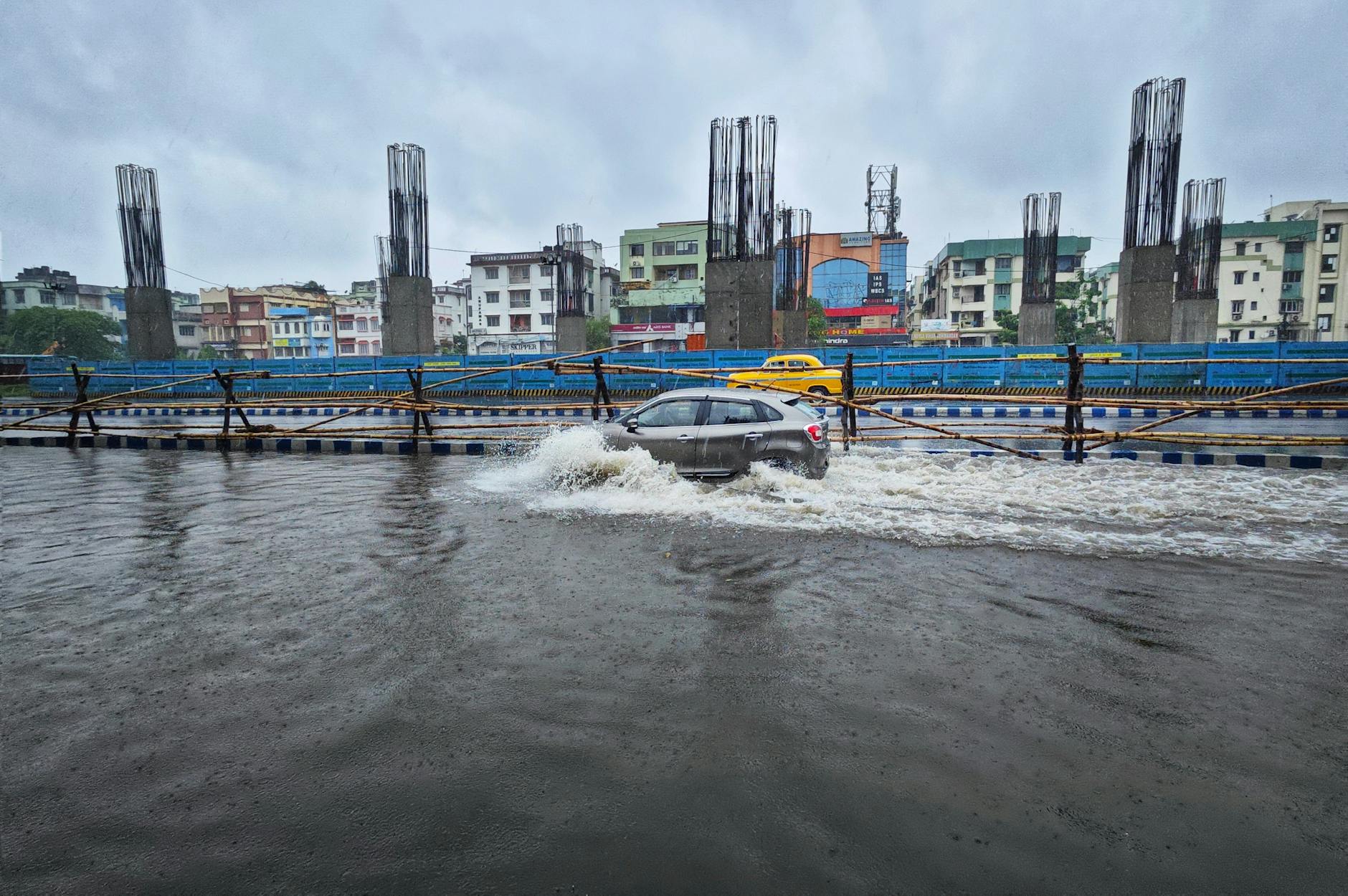
Over the past few years, it feels like the weather has been more unpredictable than ever. Torrential downpours in places that rarely see rain, record-breaking heatwaves, unexpected snowstorms in areas where snow is a rare sight — you name it. But could this chaos be the result of something other than nature just “acting up”?
The answer might lie in geoengineered weather — deliberate attempts to manipulate the atmosphere and control weather patterns. It’s not some far-off sci-fi concept; it’s happening right now, and it could be contributing to the strange weather we’re seeing.
What is Geoengineered Weather?
Geoengineering refers to techniques used to influence or control local and even global weather systems. One of the most well-known forms is cloud seeding. By dispersing chemicals like silver iodide into clouds, countries can induce rainfall or clear the skies in specific areas. Governments and private companies have been using cloud seeding for decades to bring rain to drought-stricken areas or even prevent rain during major events (remember the Beijing Olympics?).
China, in particular, has ramped up its weather modification programs over recent years, undertaking massive cloud seeding efforts across vast regions like the Tibetan Plateau. These techniques are becoming more common across the globe, with various governments trying to control rainfall or prevent flooding.
How Could Geoengineering Lead to Erratic Weather?
Here’s the tricky part: when we start tinkering with nature, the results aren’t always what we expect.
- Local Changes, Global Effects: Changing weather in one place often has a ripple effect somewhere else. For example, if one region seeds clouds to bring rain, it could leave neighboring areas drier than usual, leading to droughts. Essentially, by “fixing” weather in one spot, we might be creating problems elsewhere.
- Unintended Consequences: Weather modification efforts aren’t perfect, and the atmosphere is incredibly complex. Sometimes, cloud seeding doesn’t just bring a little rain — it can cause intense downpours, flooding, or even shift storm systems. The chemicals used to seed clouds could also have unknown long-term effects on the environment.
- Extreme Weather Intensification: If countries keep manipulating local weather patterns without considering the bigger picture, it might result in more frequent and intense storms, unusual temperature swings, and increasingly erratic weather. For example, areas that were once temperate could start experiencing extreme heat, while regions used to stable rainfall might swing between droughts and floods.
China’s Ambitious Weather Manipulation Projects
China’s been leading the way in geoengineering, with cloud seeding and much larger-scale weather modification experiments. They’ve been working on creating artificial rain over massive areas, particularly across the Tibetan Plateau, in an effort to bring much-needed water to their dry regions.
While it sounds like a good idea on paper, the question remains: what’s the broader impact of all this weather manipulation? China’s neighbors, and even regions further afield, could be affected by changes in wind patterns, rainfall, and temperatures. These geoengineering efforts are likely contributing to the chaotic weather systems we’re seeing globally.
Are We Already Seeing the Consequences?
In recent years, we’ve seen bizarre weather patterns across the world:
- Unseasonal floods in areas that have never been prone to them.
- Unexpected snowfall in regions where winter usually means cold, but not snow.
- Increased droughts and wildfires in areas that were once fertile and lush.
Is this just Mother Nature, or is it the result of humans playing with the atmosphere? While geoengineering is intended to “fix” local problems like drought or floods, it may create a global imbalance that we’re just starting to understand.
Is Geoengineering Making Things Worse?
The big question is whether these geoengineering experiments make our weather even more unpredictable. When we tamper with natural systems — especially something as complex as the atmosphere — the results are hard to control. Geoengineered weather might solve a problem here and there, but it could be adding to the erratic weather patterns everyone is noticing (thank you TikTok)
What’s more, there’s little public oversight or transparency with these projects. Countries and private entities are experimenting with large-scale weather modification without fully understanding the long-term consequences. And most people aren’t even aware it’s happening.
What Can We Do About It?
Here’s where we need your input: Do you think geoengineered weather is causing more harm than good? Should governments be allowed to manipulate the atmosphere like this without public input? Is this the reason we’re seeing such unpredictable weather patterns?
We want to hear from you. Drop a comment below with your thoughts and feelings about geoengineered weather and how it’s affecting us all. Should we be worried? Or is this just another step in human innovation?
Let’s open up the conversation — because whether we like it or not, the weather is changing, and we need to figure out what’s really behind it.

Leave a Reply to scentedsould6d8611ef1Cancel reply