
The first half of the 2020s will be remembered as a decade that didn’t tiptoe in. It barged through the door, knocked over the furniture, and dared us to pretend everything was fine. Many of us walked into 2020 with vision-board optimism, only to find ourselves saying, like the Friends theme song, “No one told you life was going to be this way.” Careers shifted or disappeared, bank accounts strained, relationships were tested, and it often felt like we were permanently stuck in second gear.
And yet, the strangest part wasn’t just the circumstances — it was the collective nature of it. Everyone you talk to has a story. Loss, reinvention, burnout, awakening. It became clear very quickly that “normal” was not simply paused; it was being rewritten.
Culturally, it has felt like living inside a mashup of movie plots.
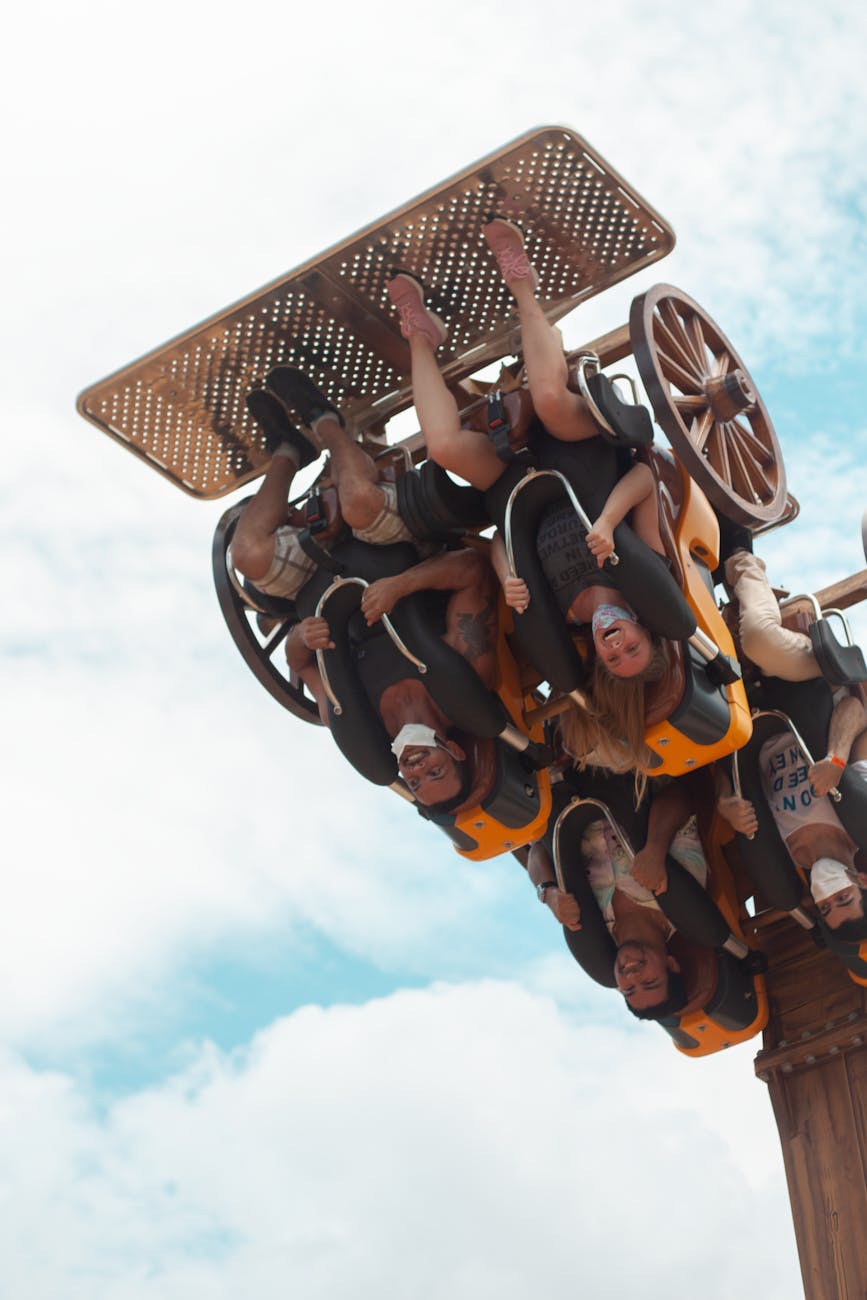
The roller coaster from Final Destination 3: feeling the lurch in your stomach as the climb begins, knowing something is off, watching events unfold in slow motion.
The level-by-level chaos of Jumanji: barely catching your breath between crises.
The stark division of The Hunger Games: politics no longer a dinner-table topic but a full-contact sport, with entire “districts” of belief, identity, and media consumption.
Political division hasn’t just widened — it has evolved, amplified by social platforms that reward outrage and hot takes over nuance and neighborliness. Friends and families have fractured not only over who they vote for, but over what they believe is true. Institutions that were once assumed to be steady have been questioned. Trust has become a precious currency.
And yet, history gives context and a quiet kind of steadiness. Every era that transforms the world feels unbearable while you’re inside it. The 1930s and 40s were marked by economic collapse, war, and global uncertainty. Out of that upheaval came rebuilding, innovation, community bonds, and entirely new ways of living. Highways, suburbs, new industries, and new cultural identities emerged from the rubble of what once was.
We are in that same liminal space now; the in-between of the unraveling and the re-weaving.
The first half of the 2020s has forced us to confront uncomfortable truths: how fragile systems are, how exhausted people are, and how deeply we crave meaning, belonging, and stability. But it has also sparked creativity, small-business revolutions, mutual aid, remote work flexibility, renewed family focus, and people deciding that the pace they once kept is no longer sustainable.
It has reminded us of something simple: dystopian language spreads easily when people are tired and scared. Hope takes more effort, but it’s still there.
Like the end of that familiar sitcom song, the message isn’t naïve positivity. It’s solidarity.
We may not control the twists of this roller coaster. We may not agree on politics, policy, or the “right way forward.” But we get to decide how we show up for one another. We get to choose kindness in an age of commentary, community over isolation, listening over labeling.
And when it hasn’t been your day, your week, your month, or even your year —
we can still say to one another:
I’ll be there for you.
Leave a Reply