
It’s a strange feeling when an ordinary day is interrupted by a sound you hope you never hear.
I was in my basement when tornado sirens started wailing across Youngstown and Boardman, Ohio. A few moments later, my phone blasted out an emergency alert telling everyone to seek shelter immediately.
Like many others in the Mahoning Valley, I pulled up WKBN’s livestream and watched meteorologist Paul Wetzl track what was unfolding in real time. He could see rotation on the radar and warned people to take shelter, but even then, there was uncertainty about exactly what was happening.
Weather can be powerful, unpredictable, and humbling.
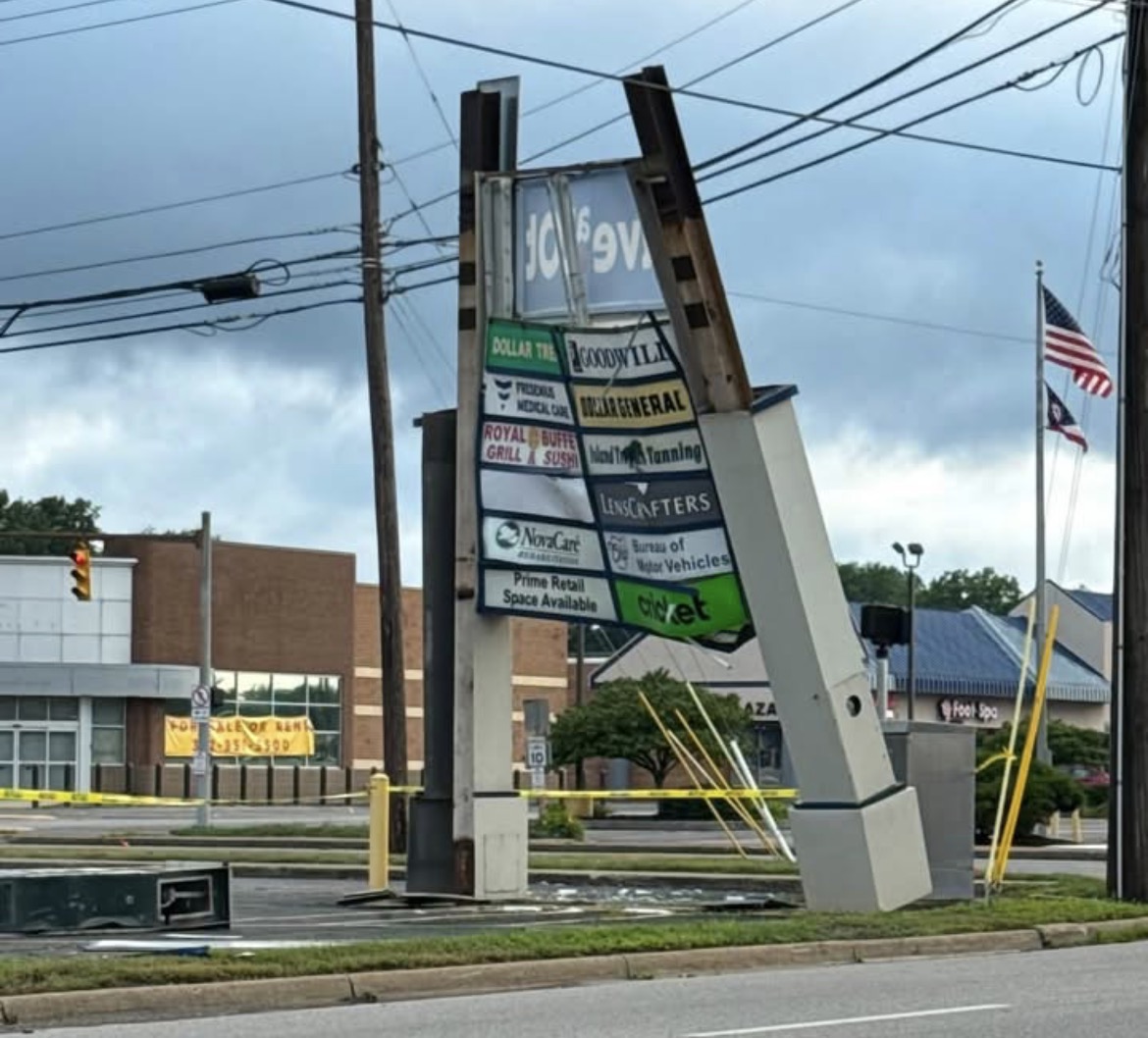
When it was over, reports confirmed that an EF1 tornado touched down in Canfield, while a powerful macroburst produced straight-line winds of around 90 mph that affected Canfield, Boardman, Cornersburg on Youngstown’s west side, and parts of neighboring Austintown.
The aftermath was surreal. Roads were closed. Power lines were damaged. Trees that had stood for decades were suddenly uprooted. Driving down Shields Road afterward was sobering. Rows of homes were surrounded by broken branches, fallen trees, piles of debris, and crews working to remove limbs tangled in power lines.
And then came the rain.
Immediately following the wind damage, torrential rain created flooding throughout Boardman, something residents have unfortunately become all too familiar with after major storms. Parking lots turned into ponds, vehicles were stranded, and some people needed help getting out.
Because this is Ohio, there was still a moment of humor mixed into the chaos. While trucks came with chains to help rescue people, others apparently found inner tubes and turned an unexpected flood into a little parking-lot water-tubing adventure.
Sometimes laughter is how communities get through stressful moments. We clean up, check on neighbors, bring out the chainsaws, help strangers, and find small moments of joy even when things are messy.
But behind the humor is a serious reminder: preparation matters.
For many of us who grew up in Northeast Ohio, tornadoes felt like something that happened somewhere else. Tornado Alley was Kansas, Oklahoma, and the Great Plains. We had thunderstorms, lake-effect snow, and occasional severe weather, but tornadoes were not something most of us expected.
The storm that many people in this area still remember is the devastating 1985 Niles-Wheatland tornado. It became part of local history because of the destruction it caused and how unusual it felt for our region.
Now, decades later, more conversations are happening about severe weather patterns and how areas farther east, including Ohio, are experiencing more tornado activity. Regardless of where you stand on the reasons why, one truth remains: waiting until an emergency happens is not a plan.
Every September, we recognize National Preparedness Month, an important reminder. But storms do not wait until September. Tornadoes, flooding, power outages, wildfires, earthquakes, and hurricanes occur when conditions align.
Preparedness is not about living in fear. It’s about being responsible for yourself and the people you love.
Ask yourself:
• Does my family know where to shelter during severe weather?
• Do we have working flashlights and extra batteries?
• Do we have portable chargers or backup power sources?
• Do we have enough water and basic supplies if services are interrupted?
• Could we manage several days without electricity?
• Do we have the necessary medications, important documents, and emergency contacts easily accessible?
• Have we prepared for our pets?
• Do our children know what to do if an emergency happens and we are not together?
A good emergency kit is not about expecting disaster around every corner. It’s about creating peace of mind.
The reality is that life has a way of reminding us we are not as in control as we think we are. We make schedules, create routines, and plan our days. But all of that can suddenly be upended by the sound of those terrifying sirens that seem to blare nonstop.
What matters in those moments is preparation, community, and our willingness to show up for one another.
The crews restoring power, neighbors checking on each other, strangers helping stranded drivers, and communities cleaning up together are reminders that resilience begins long before the storm arrives.
What is clear from the increasing number of natural disasters is that the wrath of nature is not to be trifled with, and preparation cannot wait until September.
The best time to prepare is when the skies are calm and your mind is clear.
Leave a Reply