
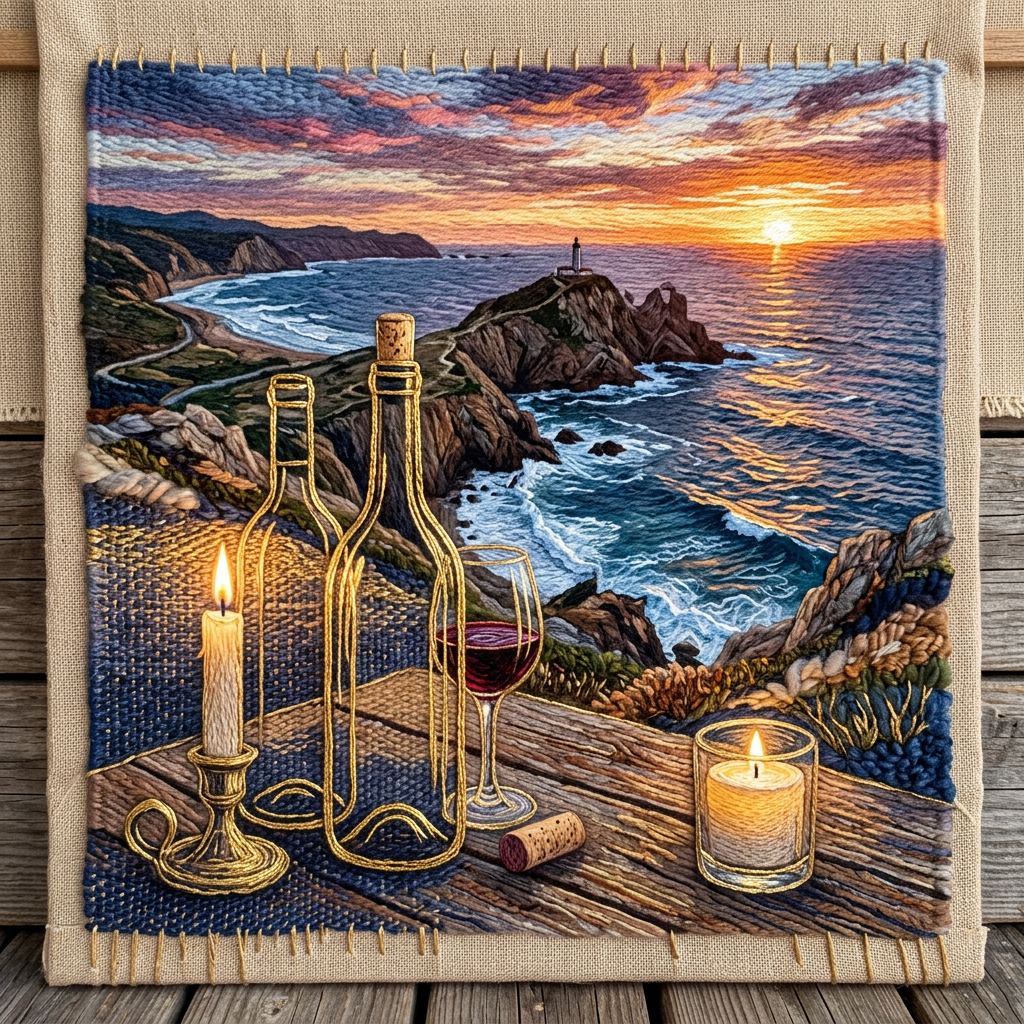
California has long been associated with reinvention. It is where people arrive with an idea, cultivate it with intention, and often leave an imprint far beyond the Pacific coast. While products may differ, the most memorable brands tend to share something deeper than geography. They begin with a founder who sees the world a little differently.
That common thread connects two California entrepreneurs from different generations: Jess Druey, founder of Whiny Wines, and Kimberly Johnson, founder of Kimberly Johnson Candle Co. One is reshaping how a younger generation experiences wine. The other is challenging the way society thinks about aging. Their products couldn’t be more different, yet their success stems from the same philosophy: pay attention to the people you’re serving.
Jess Druey’s entrepreneurial journey has unfolded in full view of her audience. After winning Season 2 of Gordon Ramsay’s Food Stars, her brand, Whiny Baby, entered an entirely new chapter through its partnership with the Gallo portfolio. Rather than quietly unveiling the changes, Jess has invited her community behind the curtain, documenting the brand’s evolution into Whiny Wines and openly discussing the countless decisions that shape a business.
One recent example perfectly illustrates her approach. After listening to customer feedback, Whiny Wines is transitioning to twist-off caps instead of traditional corks. To some, that may sound like a simple packaging decision. In reality, it represents something much larger. It says the customer experience matters more than tradition. If opening a bottle becomes easier, less intimidating, and more enjoyable, then the packaging has done its job.
That willingness to adapt reflects a founder who understands that branding isn’t about protecting your original idea at all costs. It’s about refining that idea until it genuinely serves the people who choose your product.
Kimberly Johnson approaches innovation from an entirely different direction.
At 64, Kimberly has become an advocate for embracing aging rather than resisting it. Through her writing, she consistently challenges the language society uses around older women, particularly compliments like, “You look good for your age.” To Kimberly, those four extra words diminish the compliment by suggesting beauty has an expiration date. Why not simply say someone looks beautiful?
That philosophy extends naturally into her company. Kimberly Johnson Candle Co. isn’t merely about fragrance; it’s about creating rituals that encourage women to slow down, celebrate where they are, and recognize that every season of life has something worth savoring.
Her newest fragrance, Solar Escape, captures that spirit beautifully. Bright, optimistic, and full of warmth, the candle feels less like a seasonal release and more like an invitation to linger a little longer in summer’s golden light. It reflects Kimberly’s broader message that joy isn’t reserved for youth. It belongs to anyone willing to embrace the present moment.
At first glance, these founders appear to have little in common. Jess speaks to a younger generation discovering wine without pretension. Kimberly encourages women to redefine what confidence looks like after 50 and beyond.
Yet both are quietly dismantling unnecessary barriers.
Jess removes the intimidation surrounding wine.
Kimberly removes the limitations society places on aging.
Neither woman is asking people to become someone different. They’re giving people permission to feel comfortable exactly where they are.
That may be the most valuable branding lesson of all.
Small businesses often spend enormous amounts of energy chasing the next trend, redesigning logos, or trying to sound like whoever is currently going viral. Meanwhile, the strongest brands are usually paying close attention to something much simpler: what their customers are saying and how they want those customers to feel.
Jess listened when customers said opening wine should be easier.
Kimberly listened to a generation of women who were tired of being told their best years were behind them.
Both responded with authenticity rather than assumption.
The result isn’t just a better product. It’s a stronger relationship.
As someone who built The Oubaitori Edit around the Japanese concept that every blossom blooms in its own time, I can’t help but see the connection. Whether you’re introducing a new wine label or launching a candle called Solar Escape, meaningful brands don’t flourish because they refuse to change. They flourish because they’re deeply rooted in who they are while remaining humble enough to grow.
Perhaps that’s the real California story.
It isn’t simply a place where products are made. It’s a place where ideas are cultivated, tested, and refined through the people who use them. The founders who endure understand that a brand isn’t a finished masterpiece. It’s a living conversation.
Jess Druey demonstrates that listening can reshape something as fundamental as the way a bottle of wine is opened. Kimberly Johnson reminds us that the stories we tell ourselves about growing older deserve just as much attention. One is refining a product through customer feedback. The other is reshaping a cultural conversation, encouraging women to see aging as an invitation rather than a limitation.
For small business owners, there is an important distinction here. Innovation doesn’t always mean inventing something entirely new. Sometimes it means paying close enough attention to recognize what needs to change and having the confidence to make that change, even if it challenges convention.
That idea feels especially fitting through the lens of oubaitori, the Japanese philosophy that reminds us every blossom blooms in its own season. Growth isn’t measured by how closely your journey resembles someone else’s. It comes from understanding your purpose, remaining open to evolution, and continuing to serve the people who believed in your vision from the beginning.
Whether it’s a bottle of wine or a candle flickering at the end of a long day, the product is rarely the whole story. What people remember is how it fit into their lives and how the brand made them feel. That’s the kind of connection trends can’t manufacture, and it’s the reason thoughtful businesses continue to grow long after the novelty has faded.
Leave a Reply